Palacio de la Alhambra / Granada
Located at the foot of the Sierra Nevada Mountains, Granada became the capital of the Nasrid dynasty after the fall of Cordoba in 1236. However, it came to an end with the Reconquista in 1492, the same year that Columbus reached the New World, marking the beginning of the Age of Discovery.
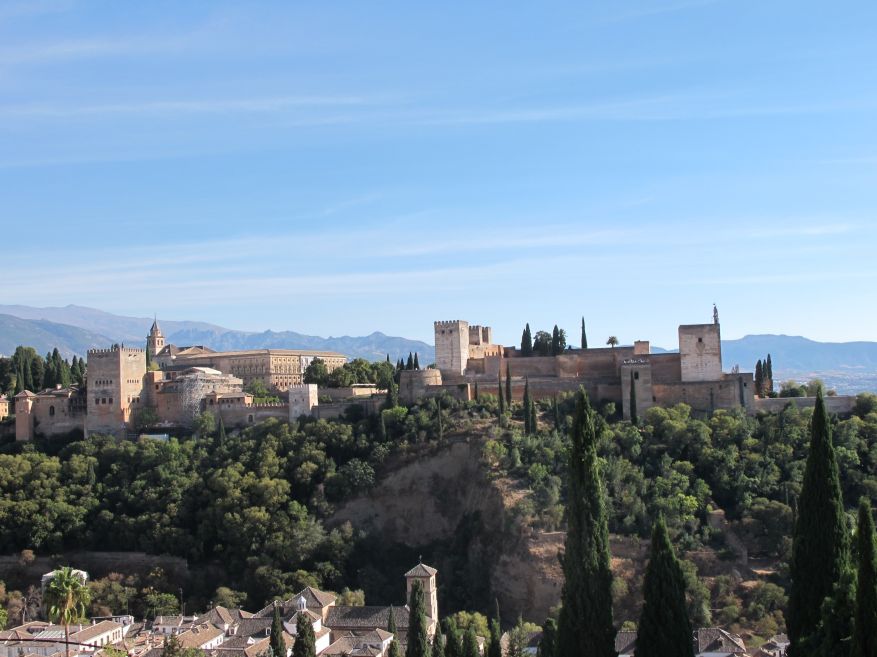
Alhambra viewed from San Nicolas observation deck
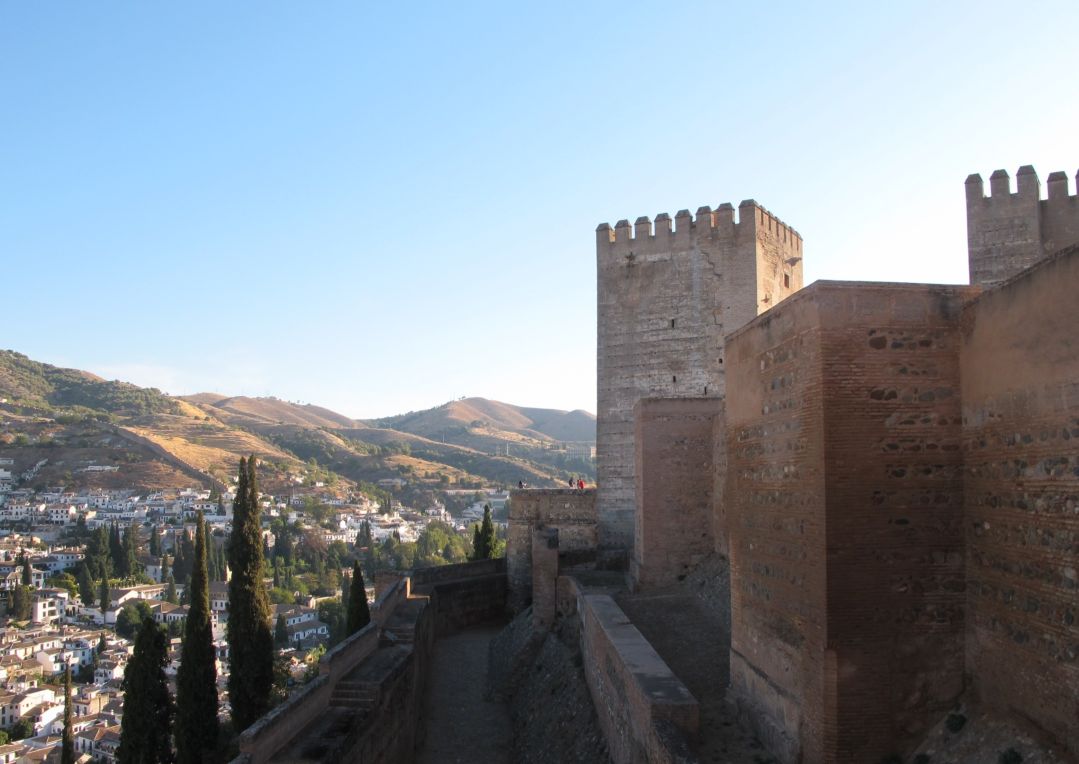
Alcazaba
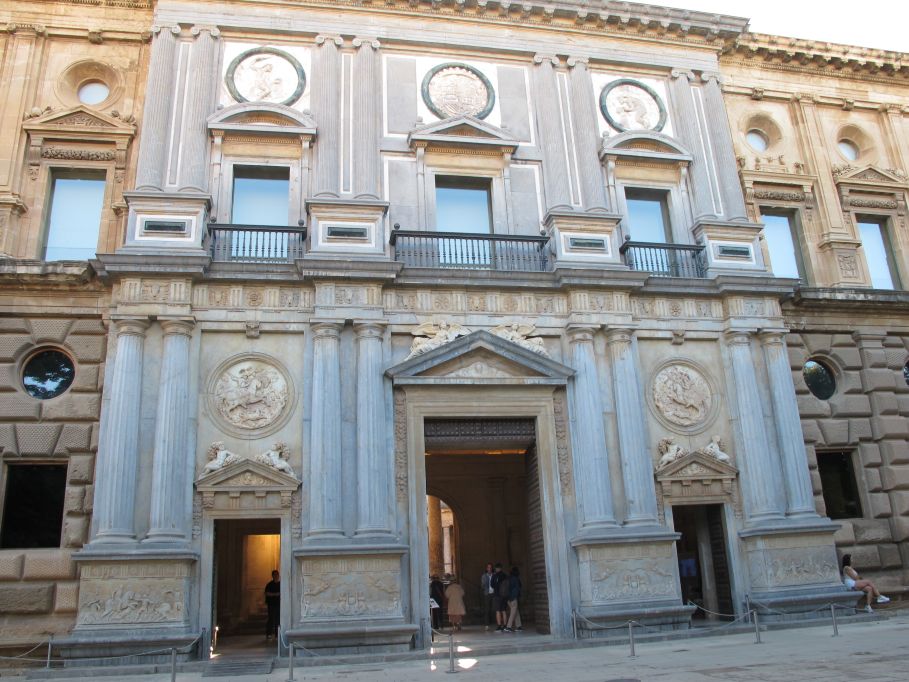
Palacio de Carlos Ⅴ
Torre de las Damas
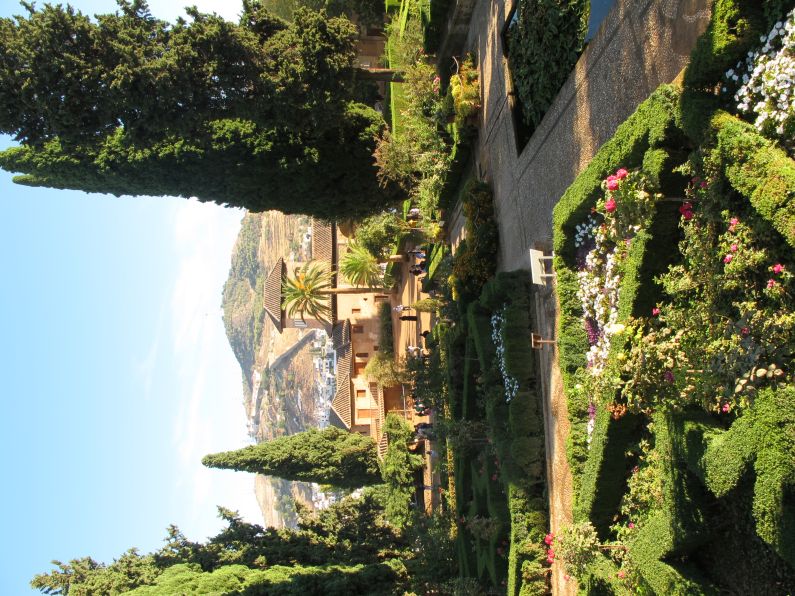
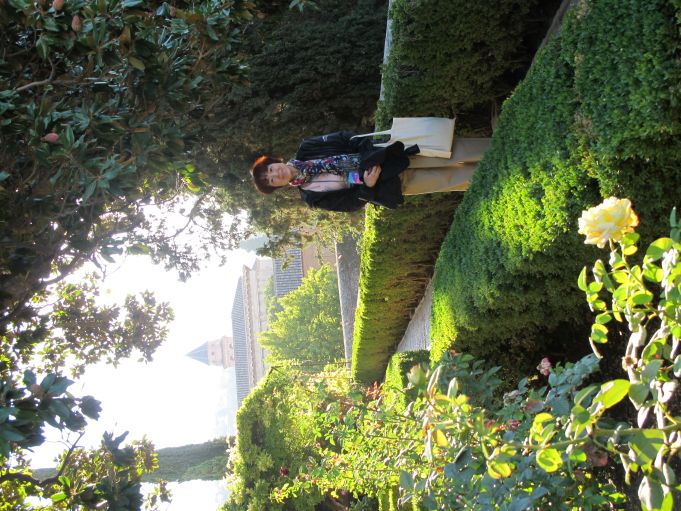
Jardins de Partal
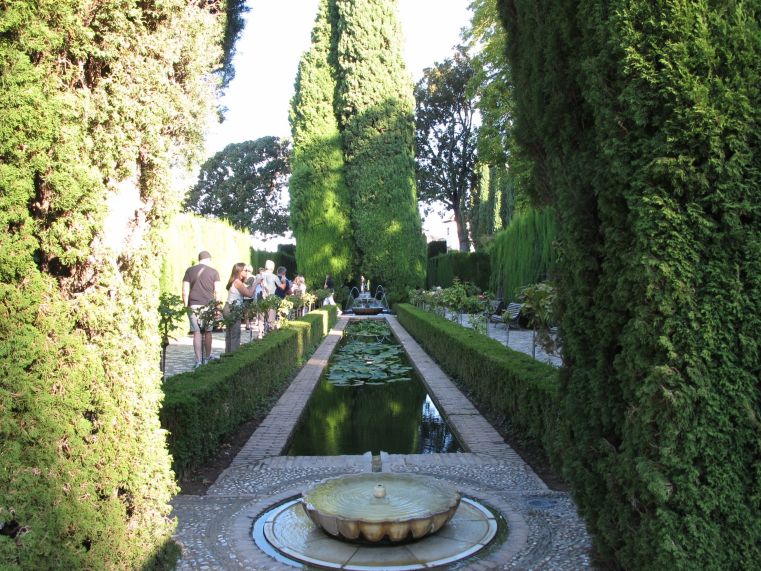
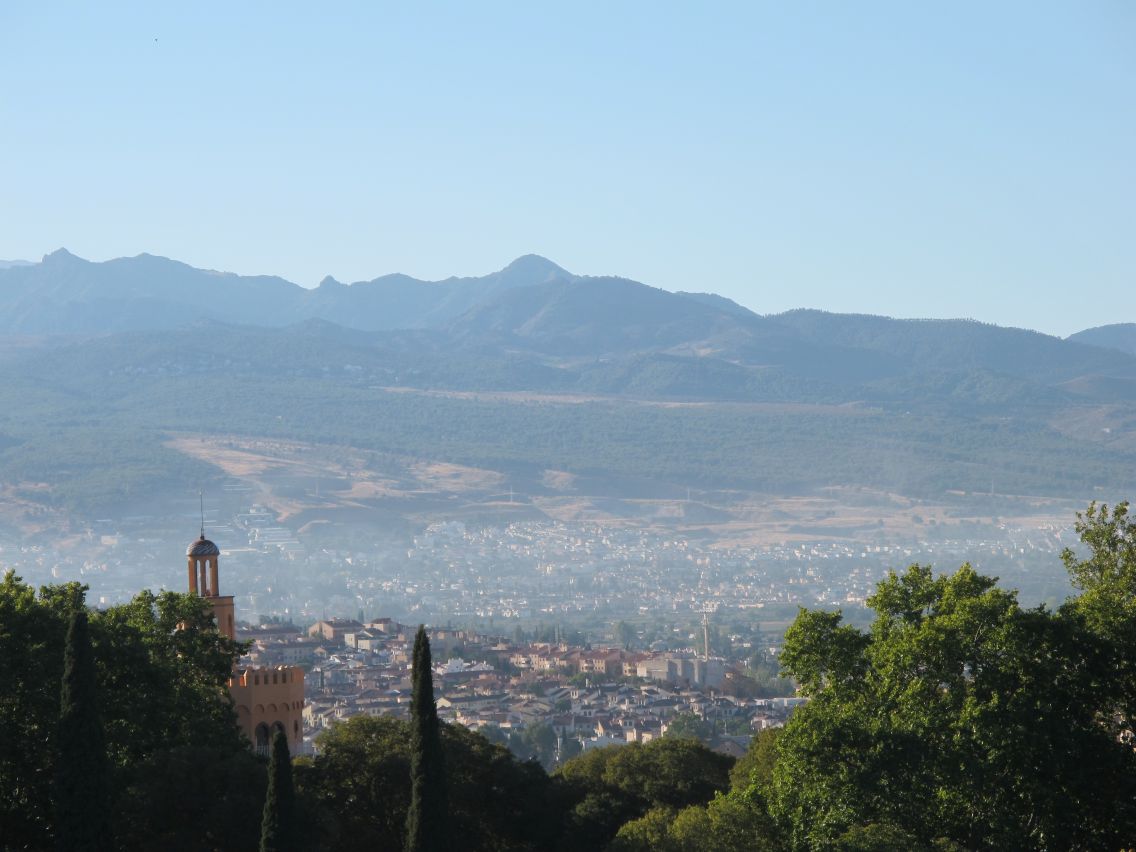
View from the way to Generalife
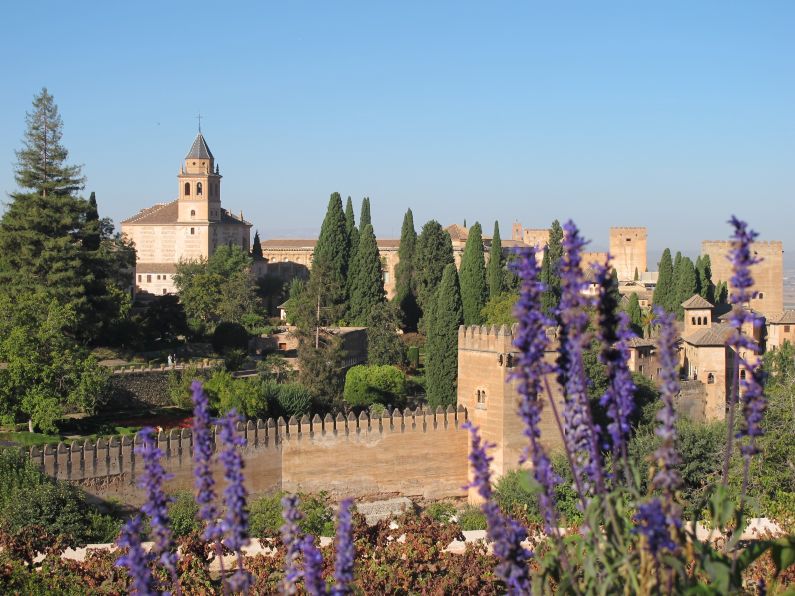
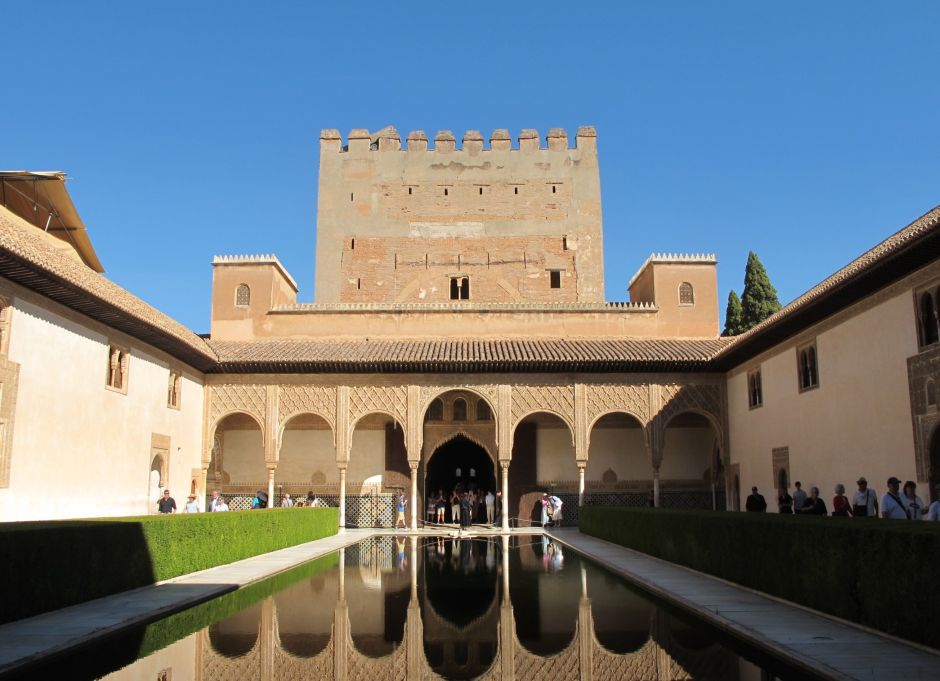
Patio de la Acequia (irrigation canal)
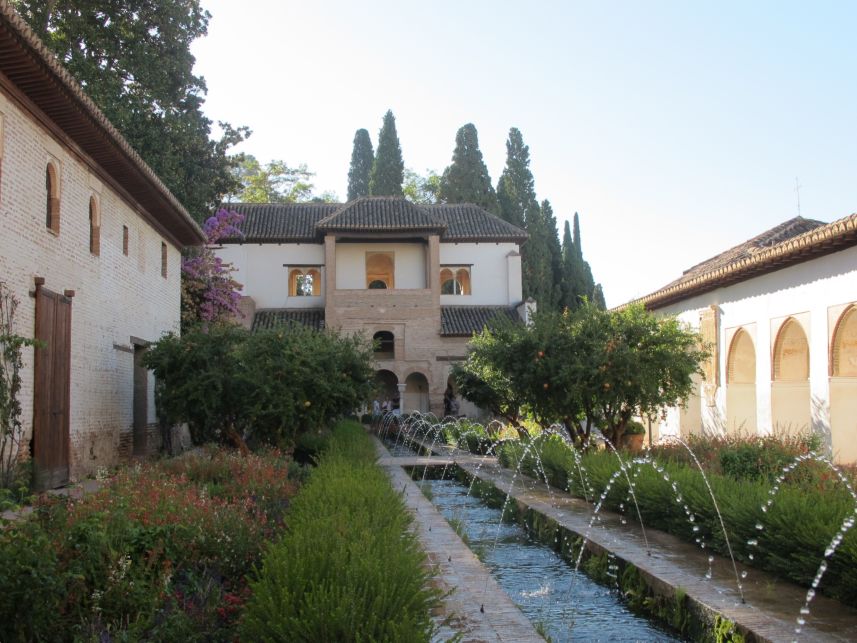
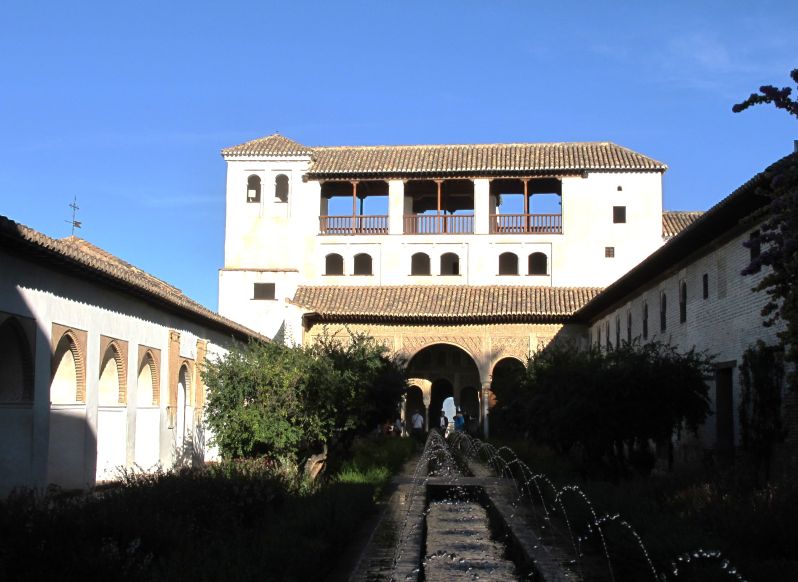
Generalife: Summer Palace
Salon de Embajadores (Ambassador's Hall)
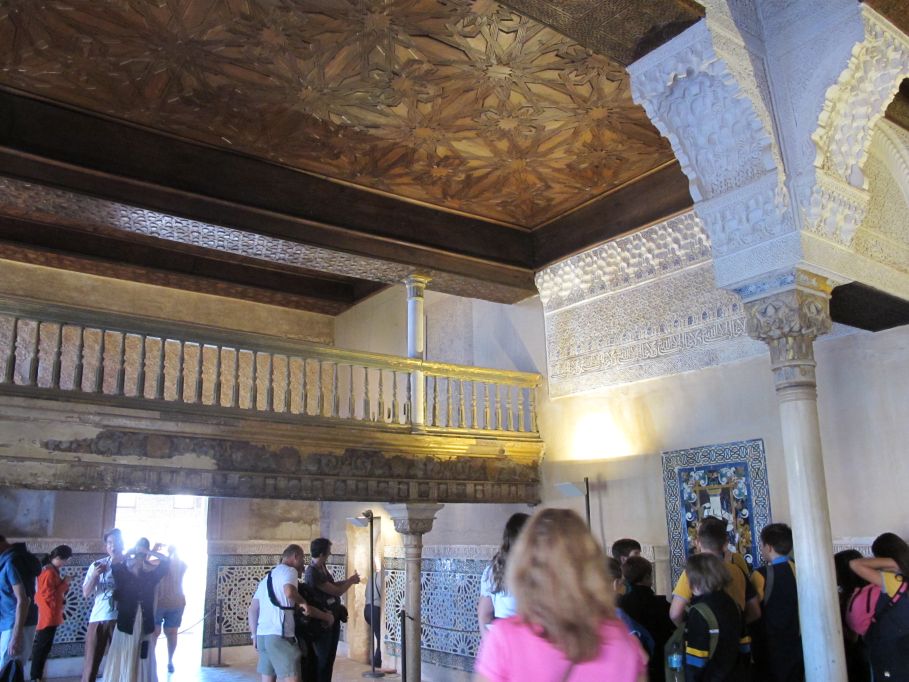
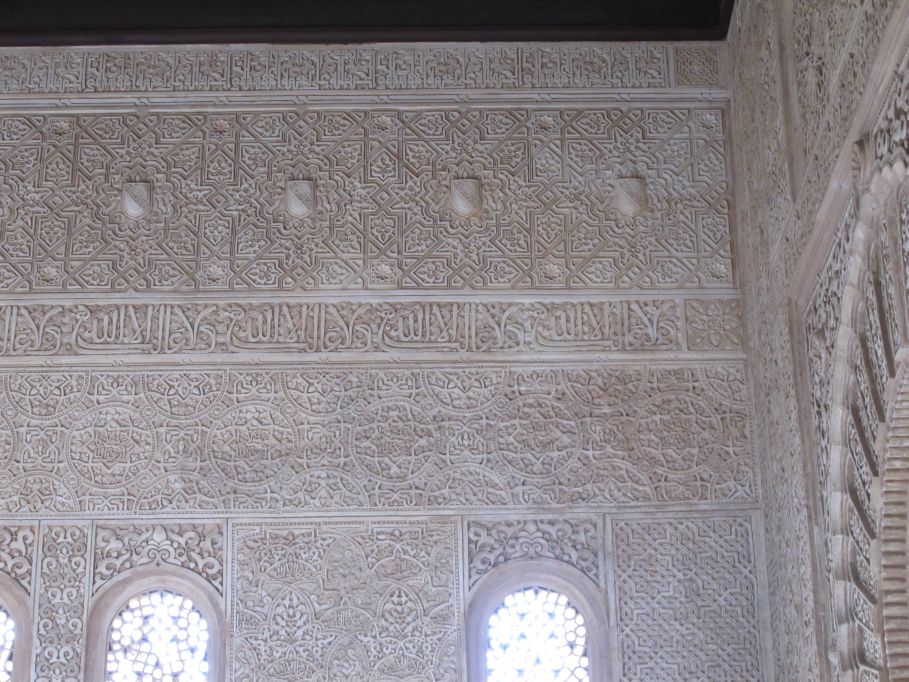
Torre de las Comares
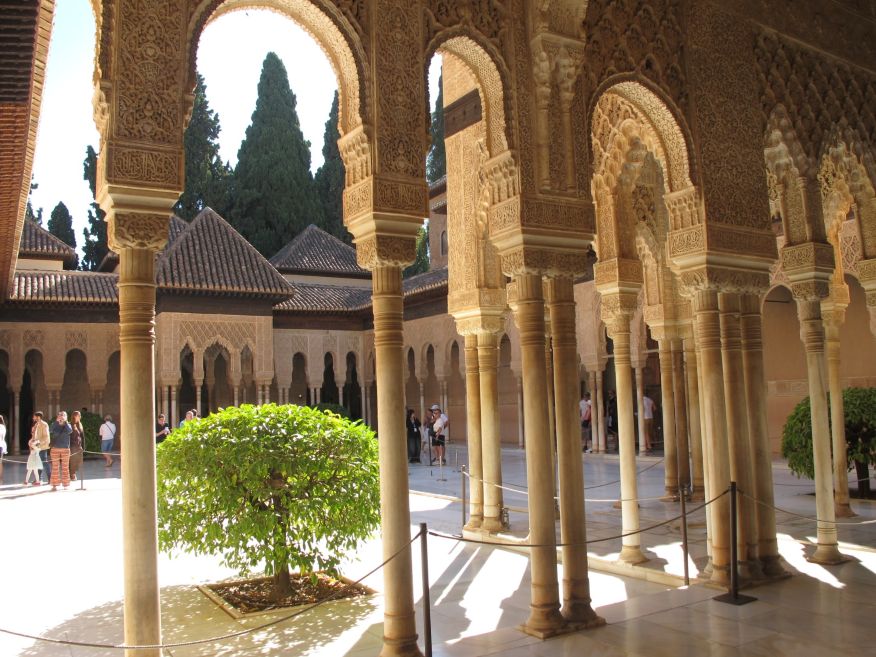
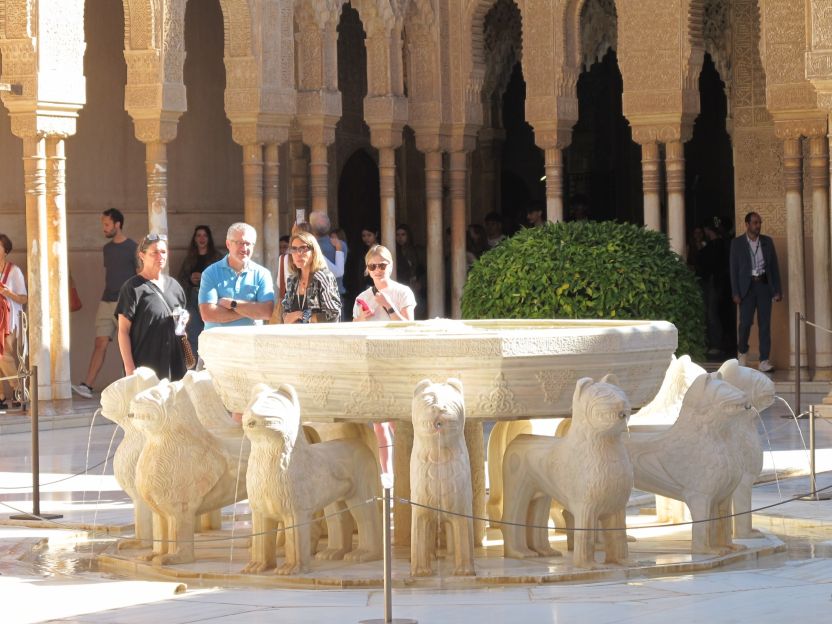
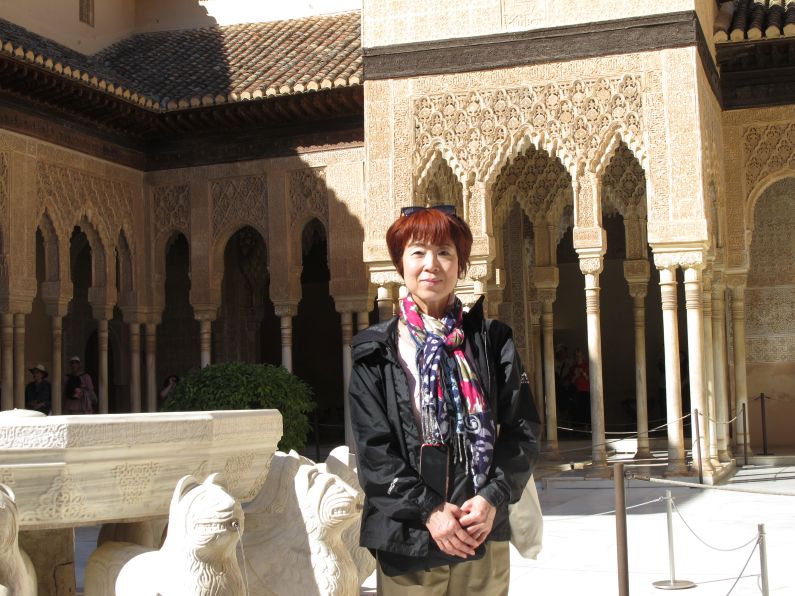
Patio de los Leones
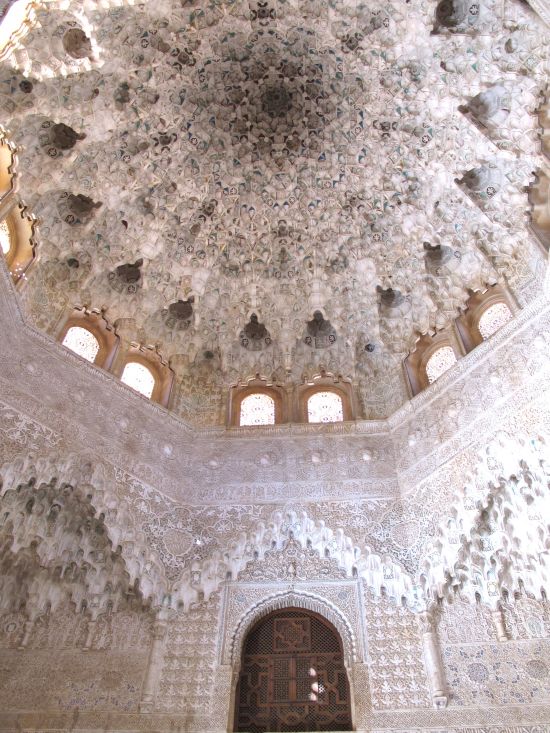
Stalactite ceiling of the Two Sisters Hall
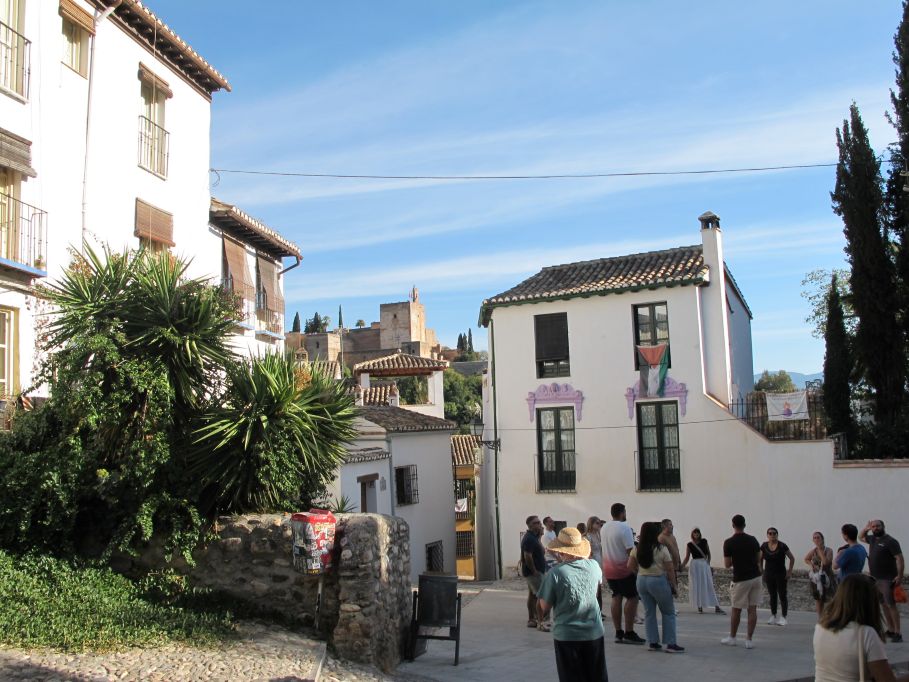
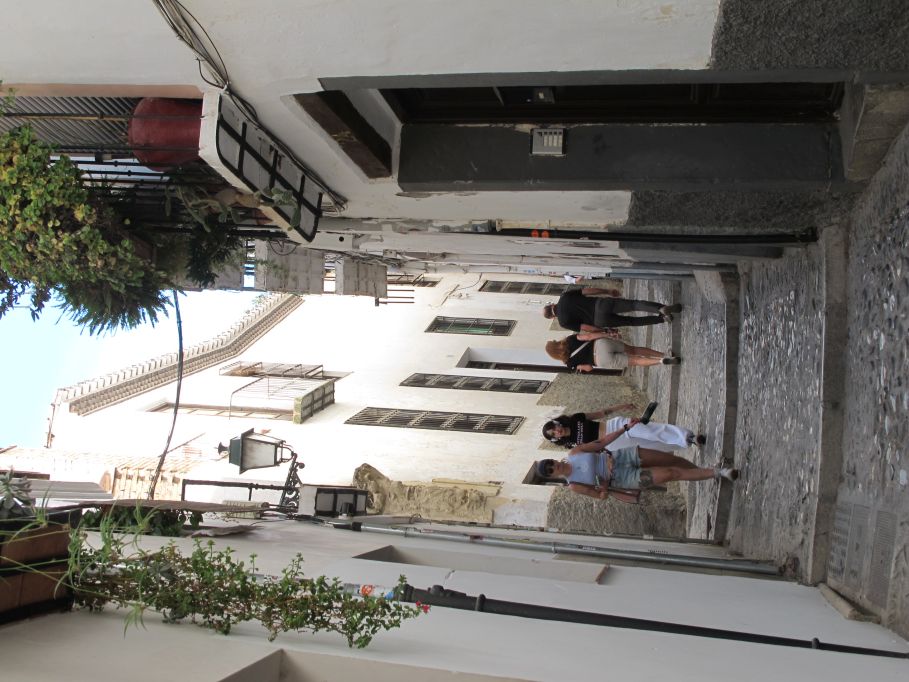
Albayzin area / Granada
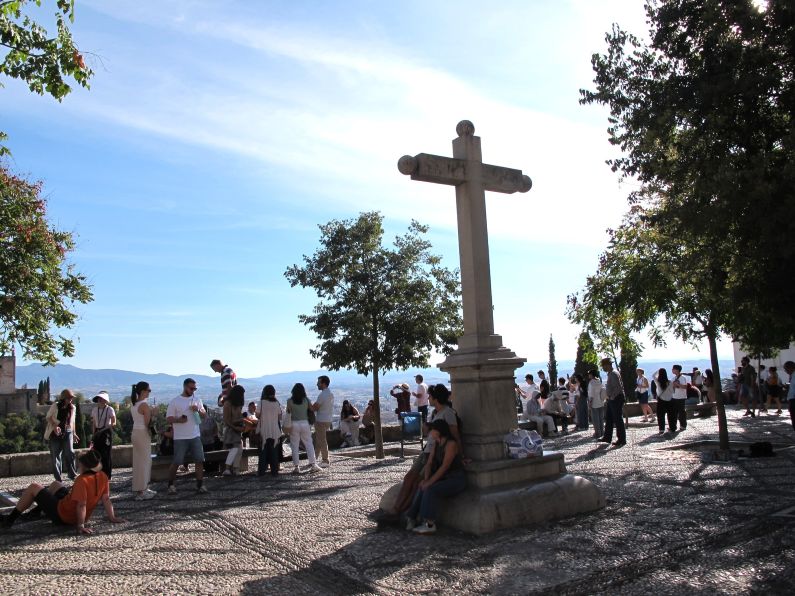
Mirador de San Nicolas
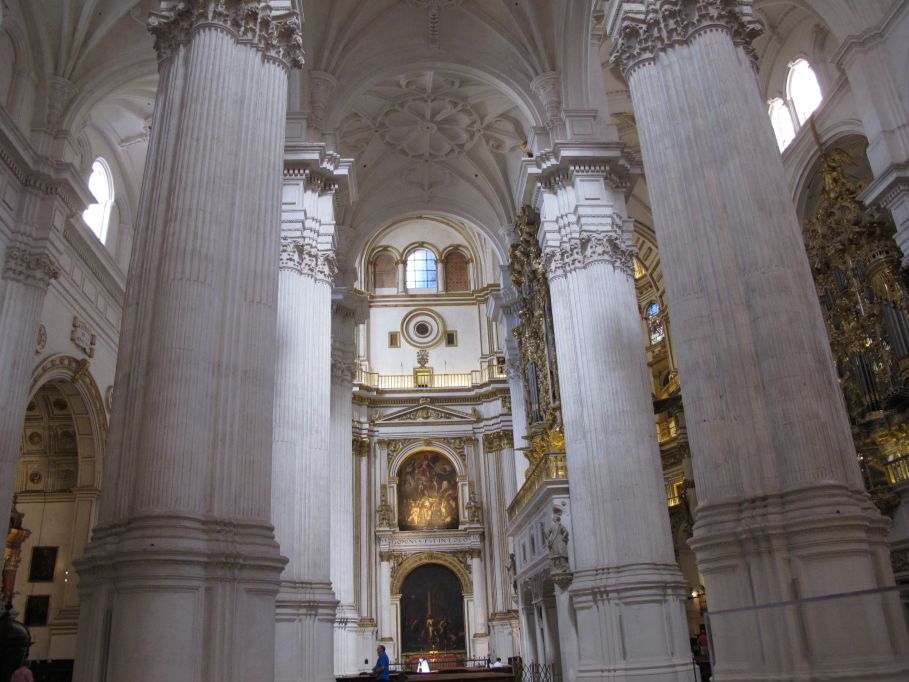
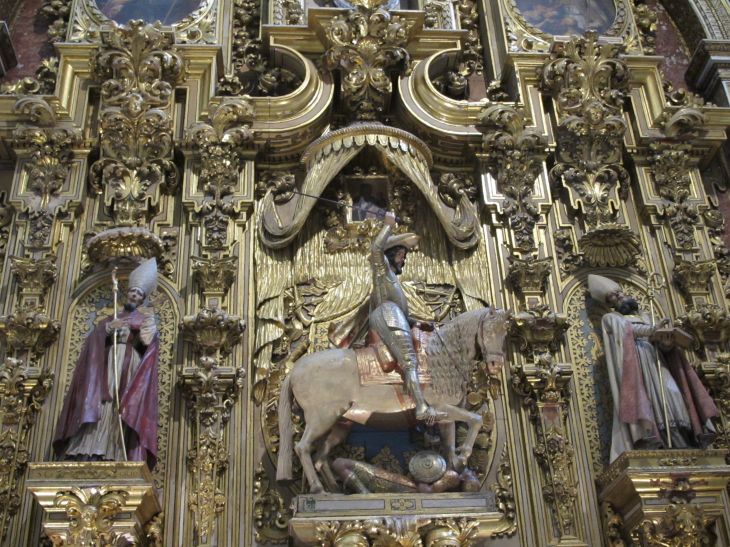
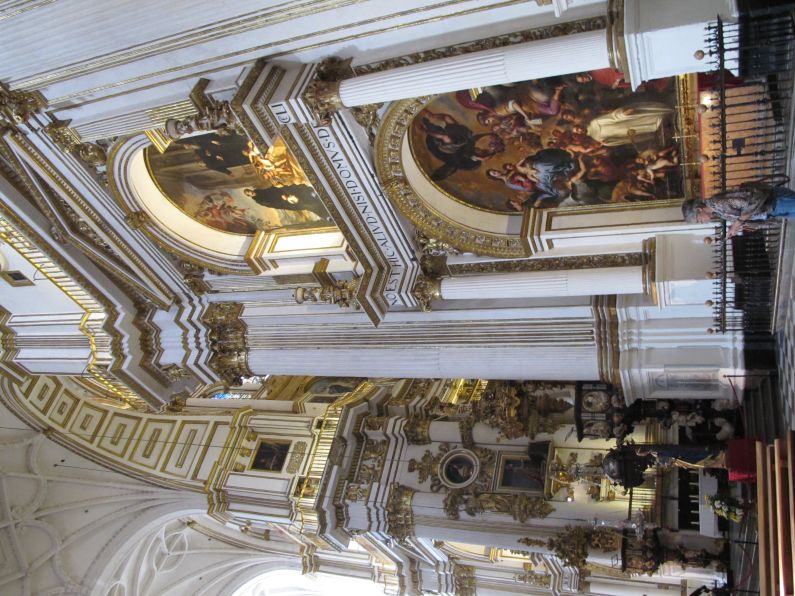
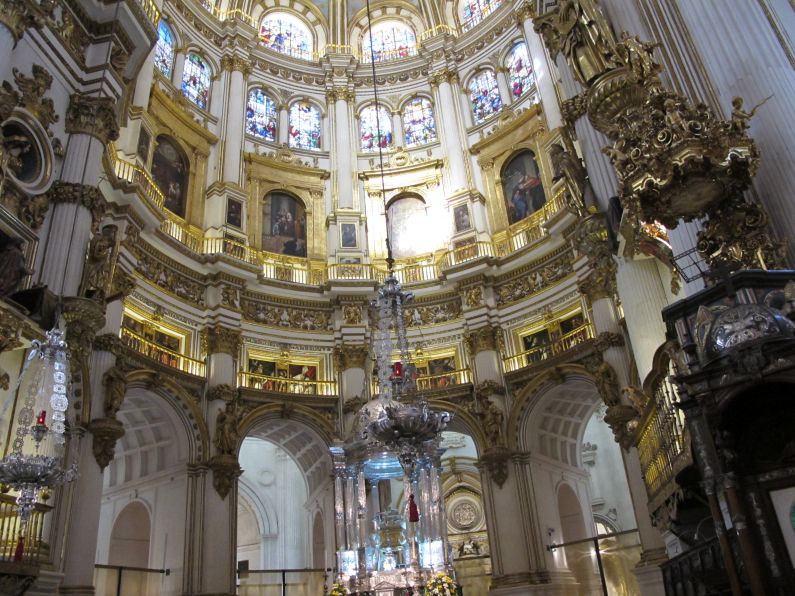
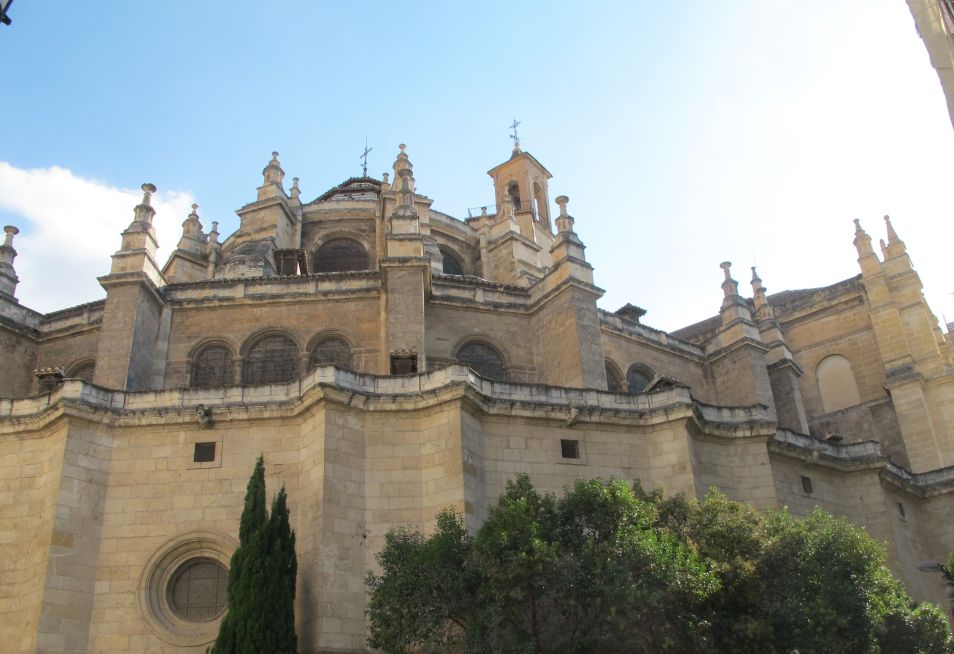
Catedral / Granada
After the fall of Granada, construction of the cathedral began on the site of the mosque in 1518. As a result, the cathedral is a fusion of Gothic and Arabic styles.
Cordoba
In 711, Muslims invaded the Iberian Peninsula and made Córdoba their capital. This dynasty became known as the Umayyad Caliphate. Córdoba flourished alongside the Eastern Roman Empire's Constantinople, and ancient Greek and Roman cultural artifacts and talents gathered there. These were translated into Latin, and the "12th Century Renaissance" flourished.
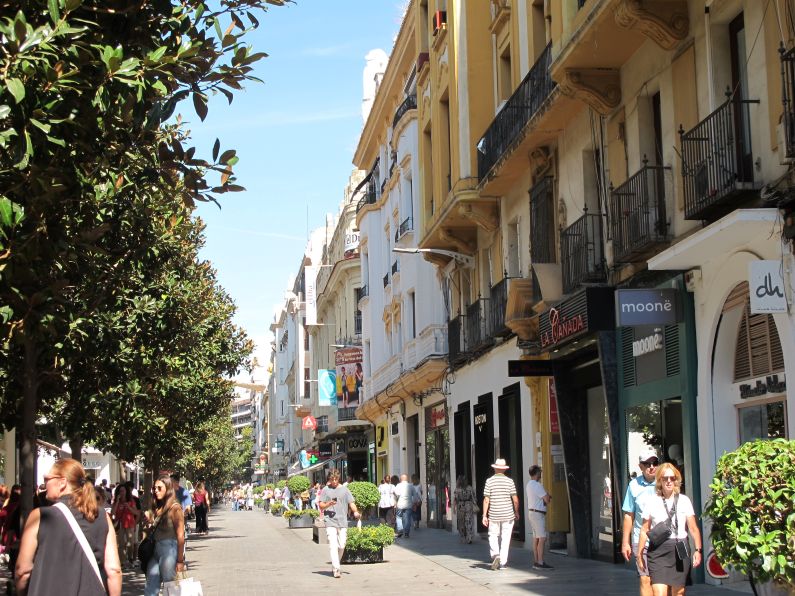
Cordoba Centro
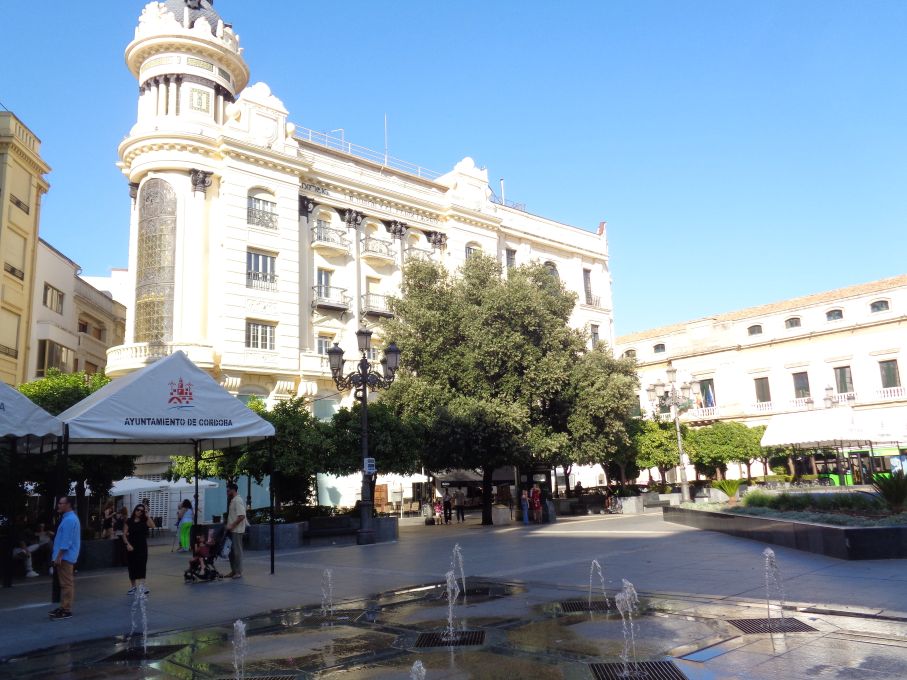
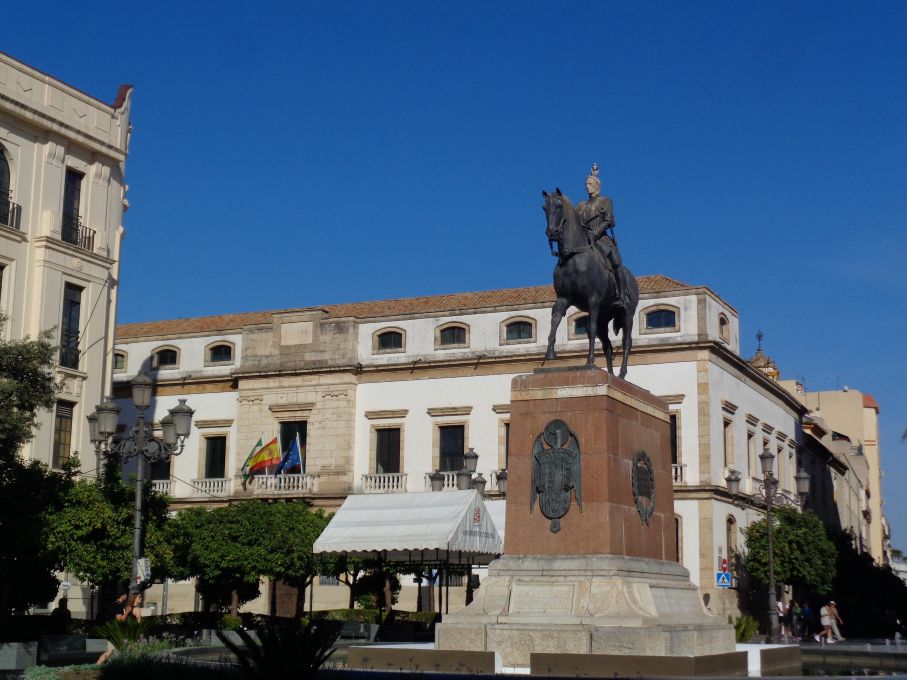
Plaza de las Tendilias
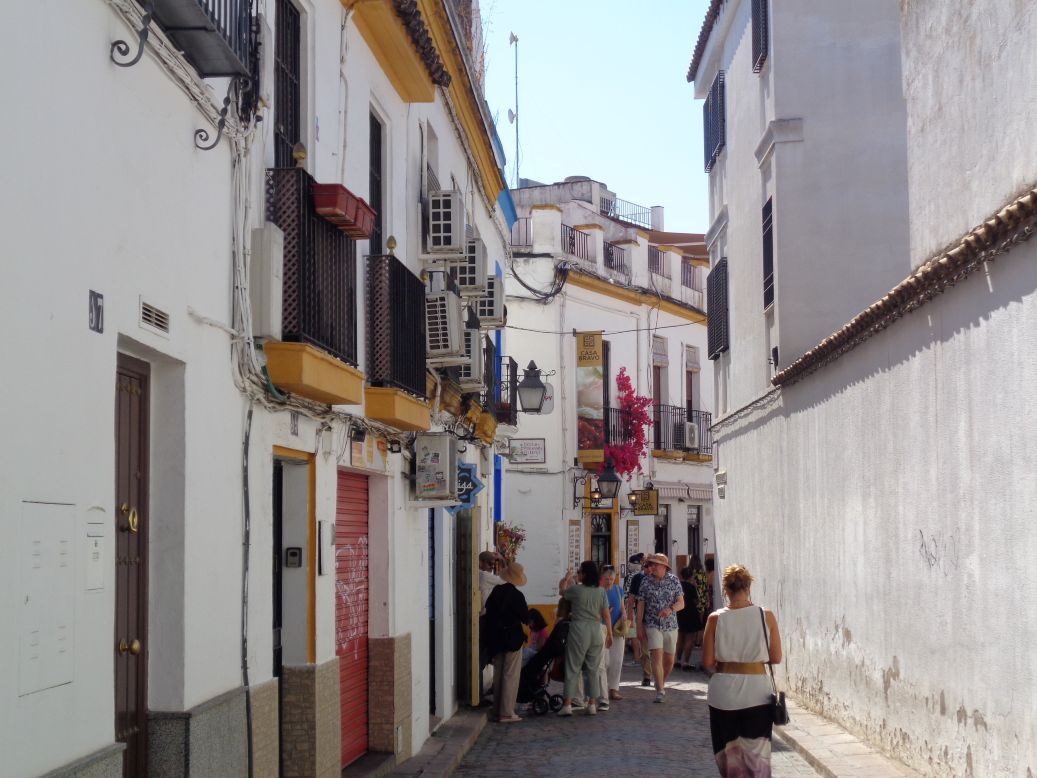
La Juderia: Calleja de las Flores
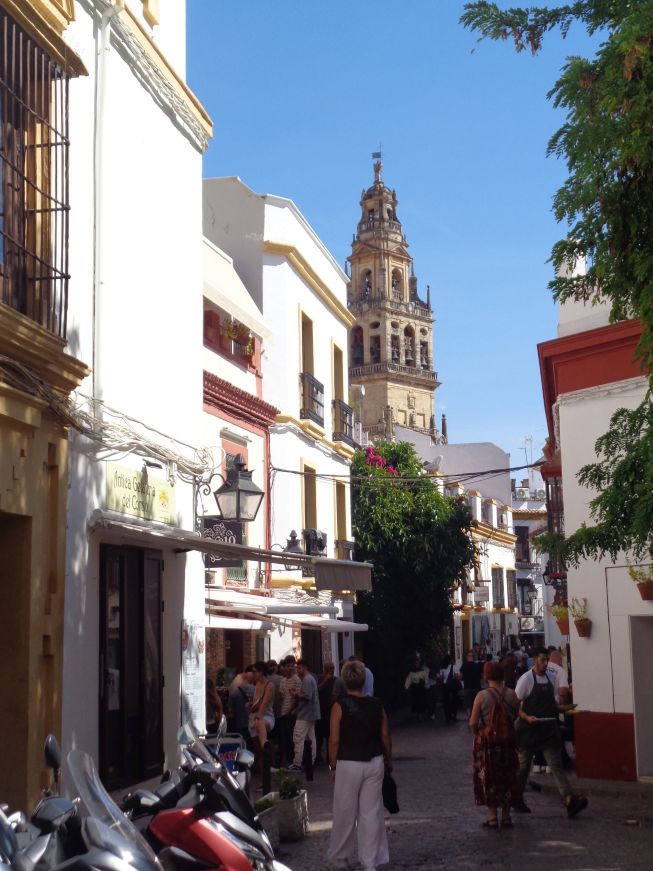
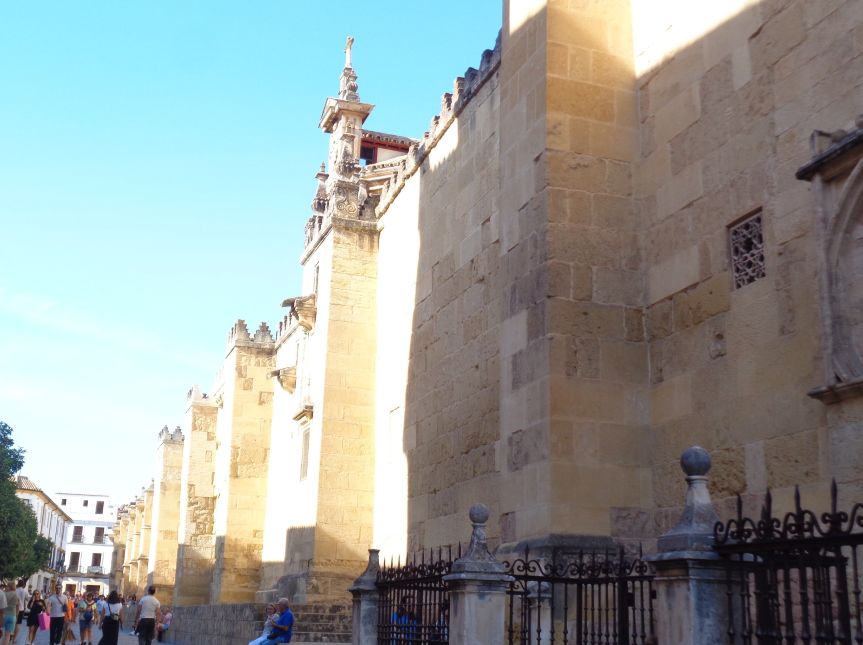
Mezquita
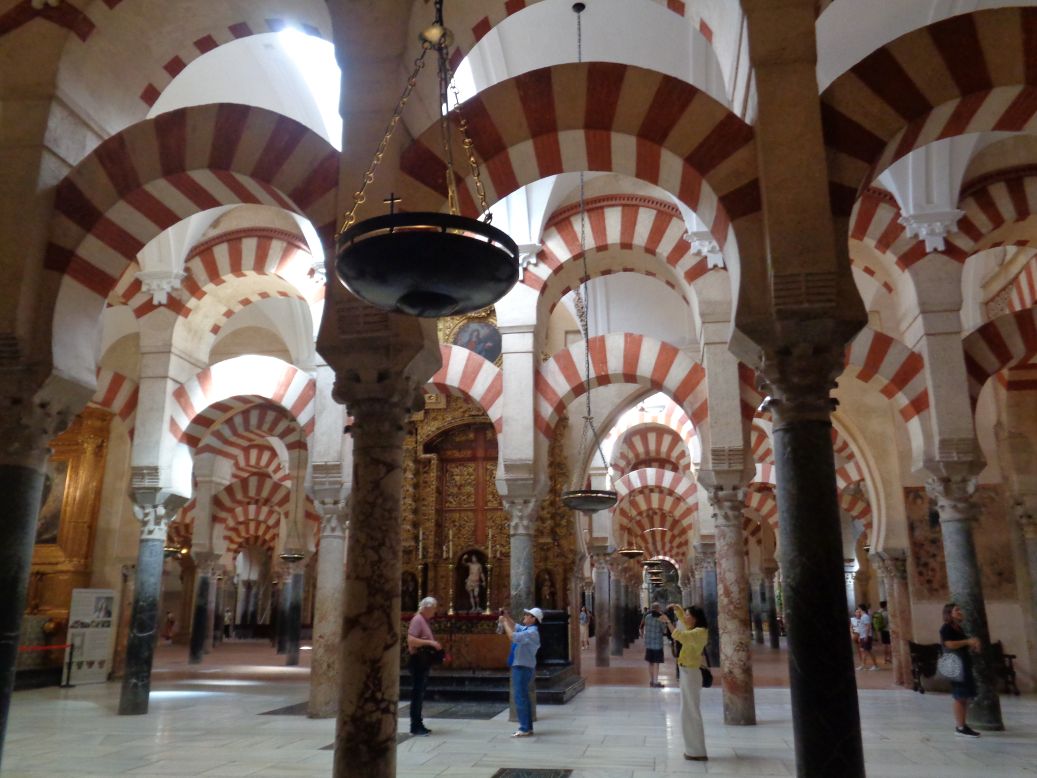
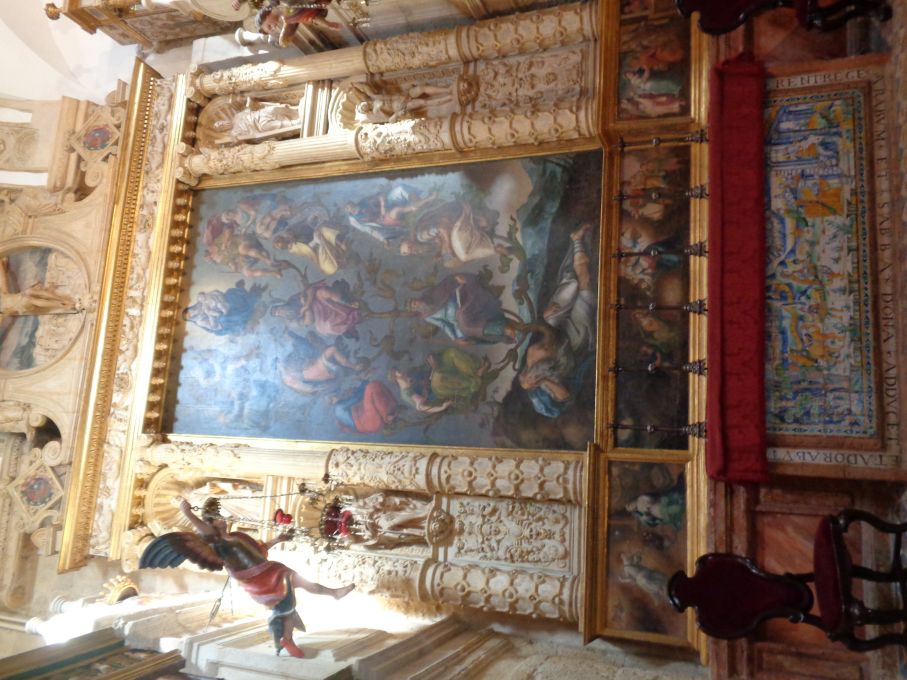
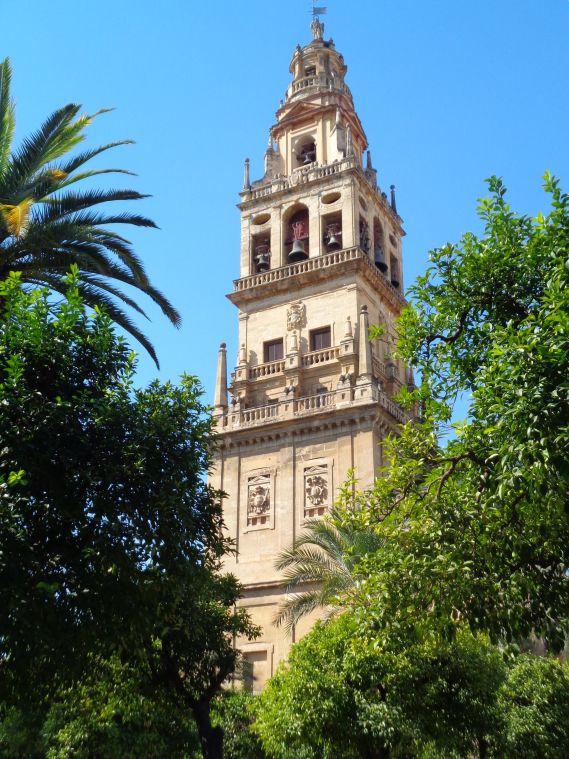
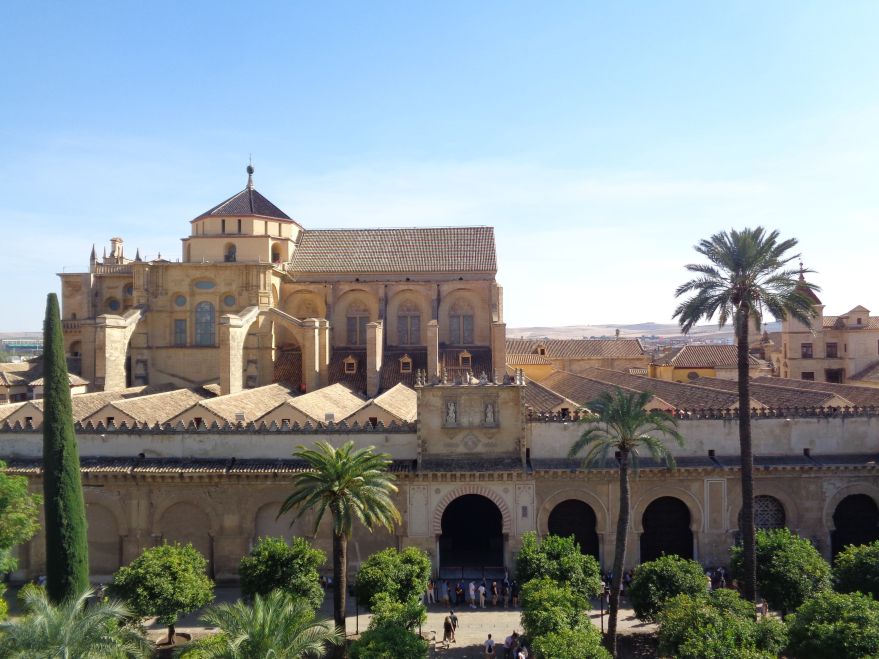
The Victorious Statue of Saint Raphael
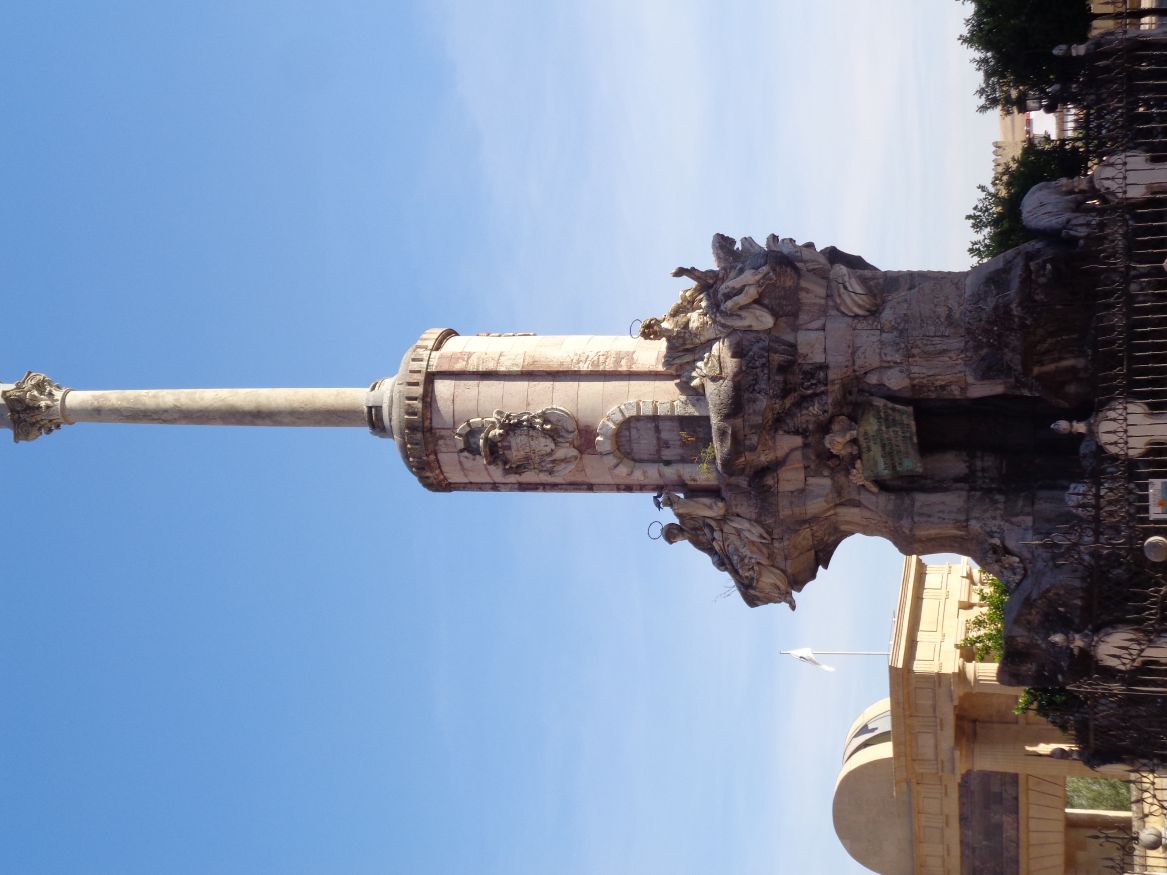
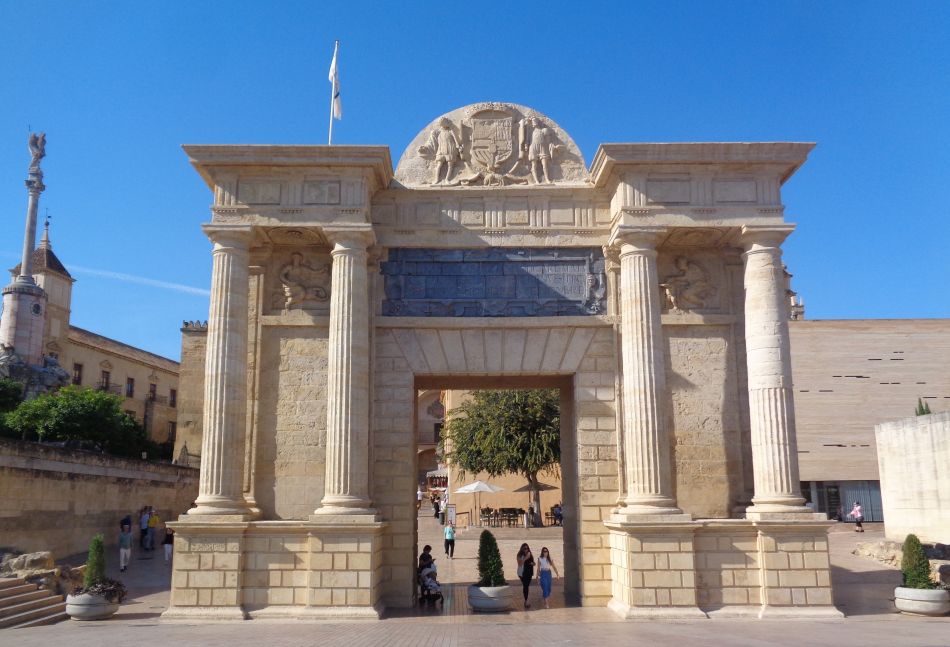
Puerta de Buente
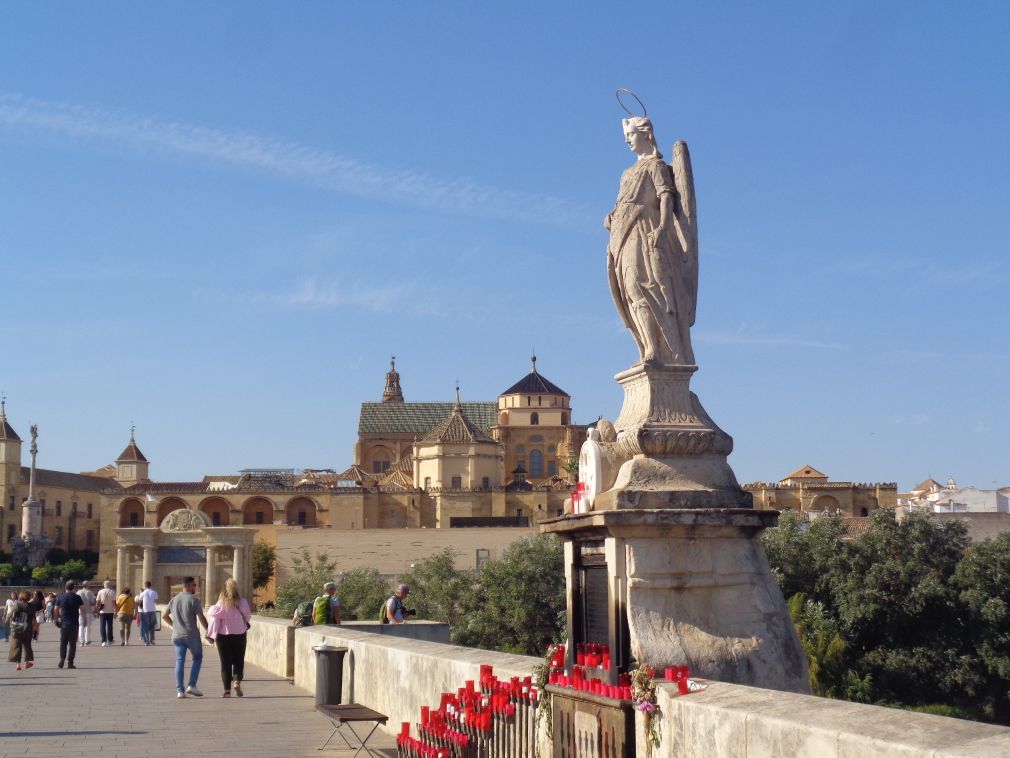
Statue of Saint Raphael over the Roman Bridge
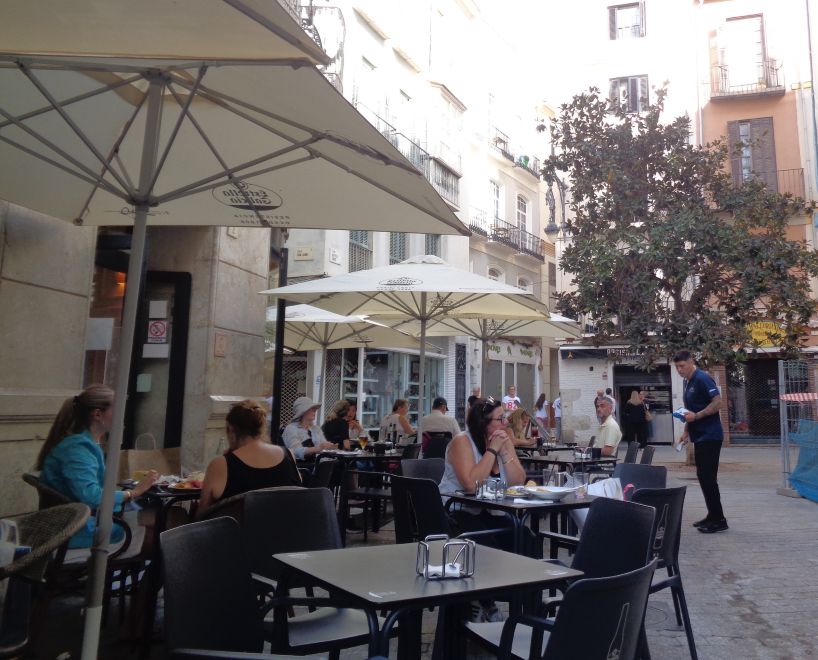
Malaga
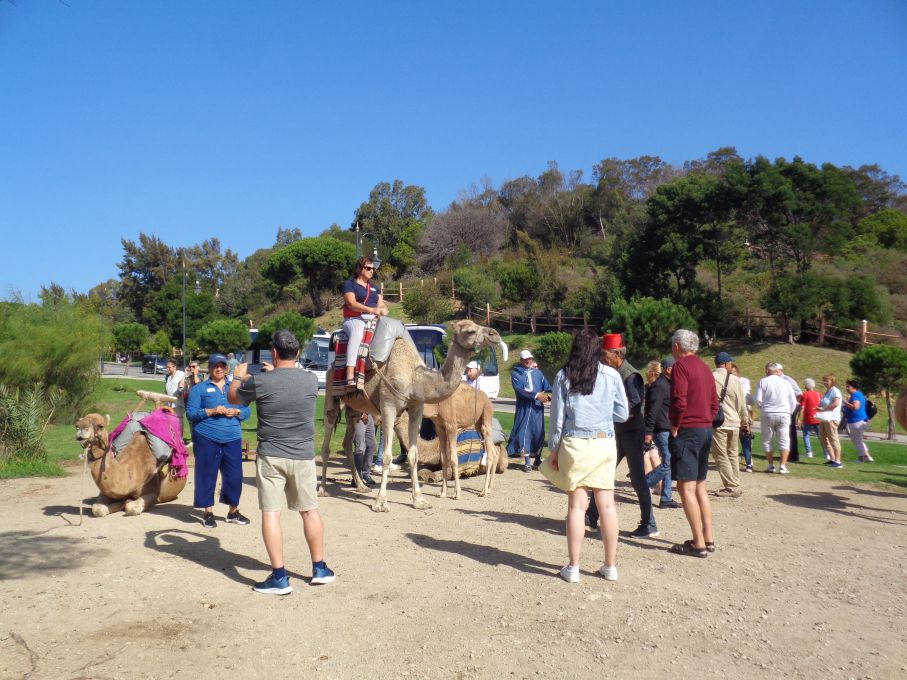
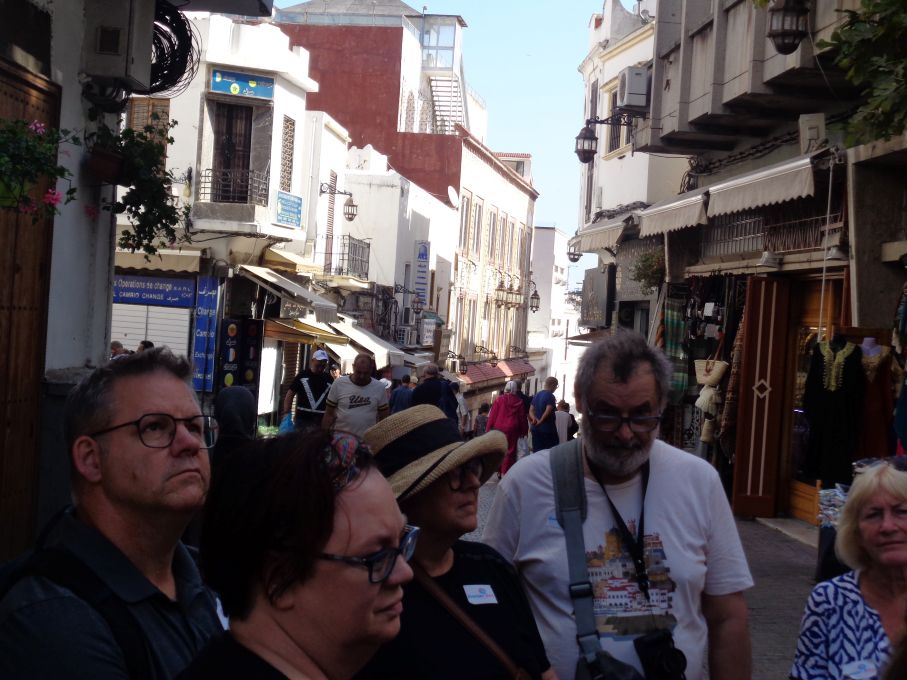
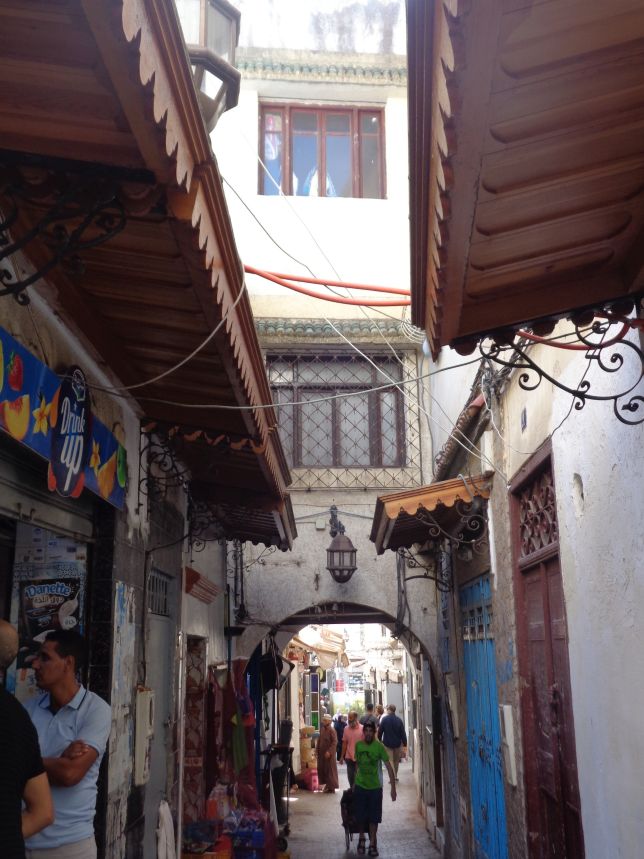
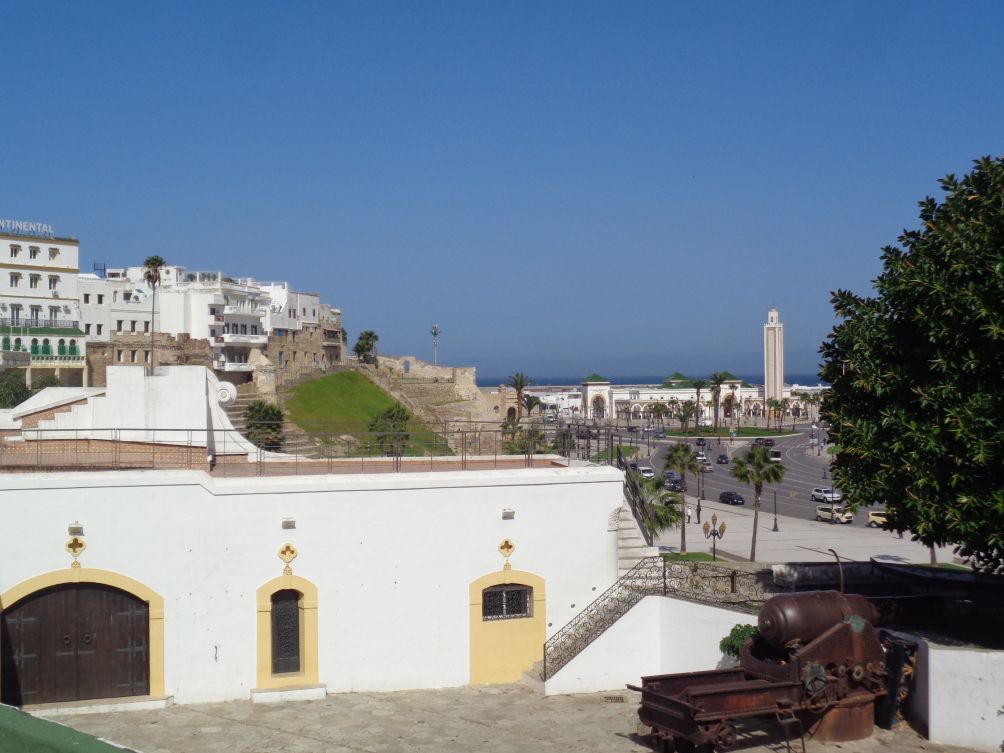
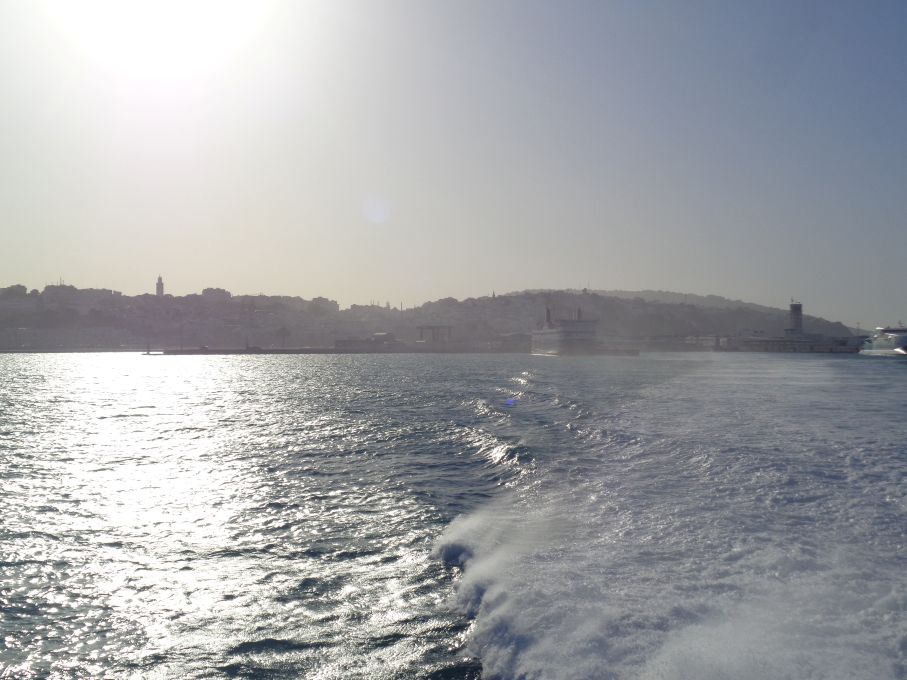
Tanger / Morroco


Back to Home